All Categories
Featured


Optimizing IUL Policy Potential for Retirement
However, understanding the differences in between particular health insurance, like an HMO and a PPO plan, is essential to secure the best health protection for you, your household, or your employees. In this post, we'll stroll you through the crucial differences between HMO and PPO plans, evaluate their advantages and disadvantages, and show you how each plan deals with a health reimbursement arrangement (HRA).
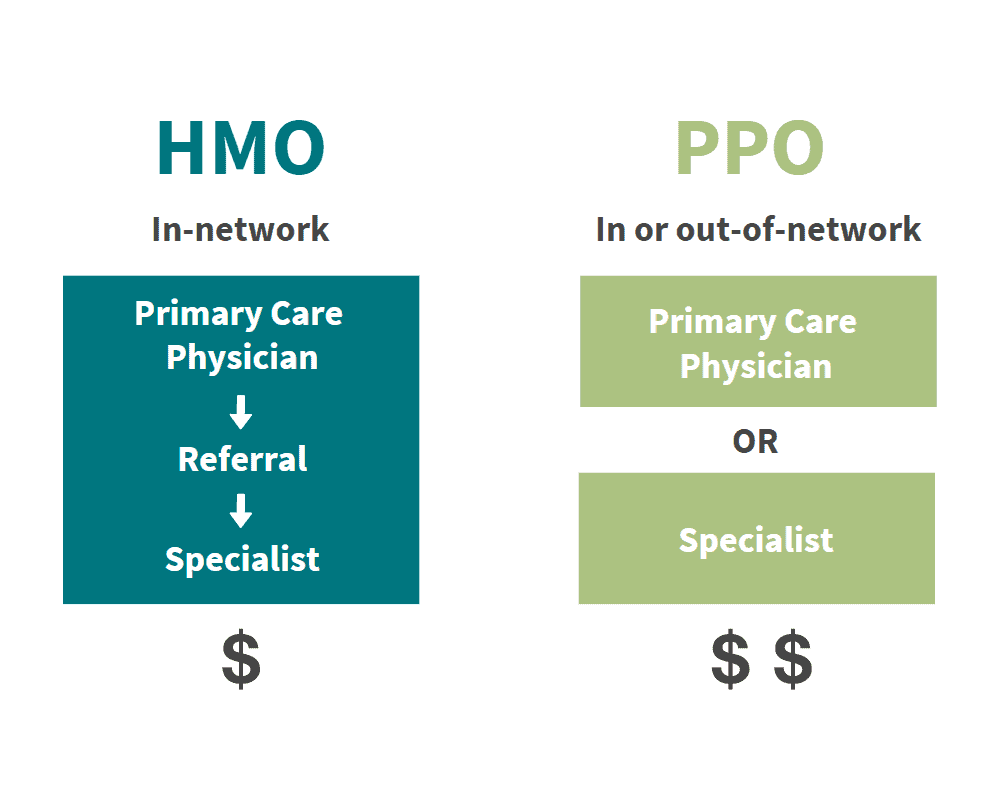
Due to the fact that of this, these policies provide lower premiums and out-of-pocket expenses. PPO plans provide more versatility in picking health providers and services than HMO plans. They frequently have higher premiums and deductibles, and require insurance policy holders to file their own claims for out-of-network care, which can be complicated and lengthy.
An HMO is a type of health insurance where a group of network physicians, medical facilities, and other healthcare providers agreement with an insurance coverage service provider to provide insurance policy holders various covered services and items in exchange for a premium. Companies within the HMO network consent to provide care to policyholders at a reduced rate.
In 2023, 13% of staff members in the U.S. with health insurance protection registered in an HMO plan1. Because these policies usually have lower premiums and out-of-pocket expenses compared to other kinds of health insurance, they can look like an attractive choice for those searching for protection. The lower overall expenses come with certain limitations.
Finding Cheap Medicare Coverage
Their HMO also will not cover the expenses of out-of-network care or treatment from a specialist that occurred without a PCP referral, other than if an insurance policy holder requires emergency care. Before identifying if an HMO matches you or your organization, you should examine the advantages and disadvantages. HMO plans usually have low premiums and copayments.
Your strategy will likewise usually cover in-network professional care with just a small copay for services. When you register in an HMO strategy, you need to choose a PCP who will be your primary point individual to connect to when you require care. In return, they coordinate your care, manage your overall treatment, and make referrals for professionals.
In addition, your PCP functions as your medical supporter, and you might develop a strong bond with them, leading to you getting much better and more consistent care. While these advantages of HMO strategies might appear attracting, there are possible downsides that you should think about before registering. If you want your HMO to cover the cost of your care, you need to get care from a particular network of suppliers in your area.
If you see a non-network provider, you'll be accountable for your entire expense without the aid of your insurance provider. If you require to check out a specialist for treatment, you need to ask your PCP for a recommendation for an in-network expert beforehand. If your PCP does not refer you, you should pay the whole cost of the bill alone, which can be costly.
Your policy will describe the scenarios that it thinks about an emergency situation. If your emergency doesn't fit the criteria in your strategy, you'll have to foot the bill on your own. In 2023, the typical annual premium for a group HMO strategy was $8,203 for self-only protection and $23,758 for household coverage2.
Insurance in Brea CAFinding Affordable Life Coverage
For household protection, employers contributed $16,600, and employees contributed $7,158. Like other types of health insurance, HMO policies may have an annual deductible. A deductible is the set amount of cash a plan individual should pay out-of-pocket before their insurance provider begins to cover their healthcare costs. In 2023, the typical deductible for an HMO plan was $1,200.
KFF found that 33% of individuals enrolled in a self-only HMO do not have a deductible3. (ACA) Market plan was $9,100 for self-only protection and $18,200 for household coverage4.
A PPO policy is a kind of health insurance in which an insurance coverage service provider agreements with medical professionals, healthcare specialists, and medical facilities to create a list of "preferred" doctor for insurance policy holders. When people with a PPO strategy get healthcare from an in-network service provider, their health insurance provider pays the provider at an agreed-upon minimized rate.
PPOs are the most common plan that employers offer. In 2023, 47% of people with a group health insurance coverage plan have a PPO2. These strategies are popular since they do not require members to choose a PCP before enrolling and allow members to pick from a bigger range of in-network providers than they can with an HMO strategy.
The out-of-pocket expenses for these services are more pricey. PPO plans offer several advantages that make getting treatment a practical and favorable experience. Let's explore some of them listed below. PPO strategies have a large network of suppliers using the same types of medical services with set comparable rates.

Latest Posts

Affordable 2026 Term Life Insurance Rates Today
Selecting the Best 2026 Medicare Supplement Coverage
Comparing Cheap Medicare Coverage